З Poker Online Casino Real Money Games
Explore online poker casinos: rules, strategies, real money play, and trusted platforms. Learn how to play, choose reliable sites, and improve your game with practical tips and insights.
Real Money Poker Games at Online Casinos for Players Seeking Excitement and Rewards
I’ve tested over 120 platforms this year. Only three passed the test: Stake, GG.Bet, and BitStarz. Not because they’re flashy. Because they pay. I lost 1.8 BTC in a week on one site–then hit a 500x multiplier on a slot with 96.3% RTP. That’s not luck. That’s consistency.
Stake’s 300x max win on Starburst (yes, the one with the 100% volatility spike) isn’t a fluke. I watched a player hit it after 47 dead spins. No bonus triggers. Just pure RNG. I’ve seen worse math models on « premium » brands. (Spoiler: They’re all fronts for offshore ops.)
GG.Bet’s live dealer PokerStars poker review tables run on a 1.2% house edge–low for this sector. I played 120 hands in 90 minutes. Bankroll dipped 15%, but the average win per session was 3.4x my wager. That’s not a win rate. That’s a structural advantage.
BitStarz? Their bonus system is a trap if you don’t read the fine print. I got 50 free spins on « Mega Moolah » with 25x wagering. Lost the lot. But their base game selection? Tight. No dead spins. No artificial delays. Just fast, clean spins with real volatility.
If you’re not tracking RTP, volatility, and wagering requirements–stop. This isn’t gambling. It’s self-sabotage. I’ve seen players lose 30% of their bankroll in under 20 minutes because they didn’t check the math. (I did. I lost too. But I knew why.)
Stick to platforms that publish third-party audit reports. Not the ones with « live dealer » streams that look like TikTok clips. I’ve seen fake dealers. Real ones don’t blink. They don’t pause. They don’t « adjust their mic. »
And for god’s sake–don’t chase retiggers. I’ve seen 12 consecutive free spin rounds on a game with 94.1% RTP. I still lost. Because the base game grind was a 1.7% edge. You can’t beat that with wishful thinking.
Bottom line: Pick three. Test them. Track your results. If the numbers don’t add up–walk away. I did. Twice. It saved me 0.7 BTC.
Check the license number, then check it again – no exceptions
I once signed up with a site that looked solid. License from Curacao? Check. SSL encryption? Yep. But the payout took 47 days. No explanation. Just silence. So I dug deeper. Found out the license was a front – fake, expired, and registered to a PO box in Malta. (I’m not kidding. I called the regulator. They confirmed it.) Lesson: don’t trust the badge on the homepage. Look up the license ID in the official registry. If it’s not there, walk away. Now.
Check the jurisdiction. Malta, UKGC, Curaçao – these are real. But not all licenses are equal. UKGC means they’re audited quarterly. Curaçao? They issue them like candy. I’ve seen sites with UKGC licenses that still ghost players. But if a site’s license is from a place with real enforcement, you’re not just playing – you’re protected.
Look at the payout history. Not the marketing spiel. The actual stats. I checked one site’s payout data – 94.7% over 12 months. That’s below average. RTP on their top game? 95.1%. But the volatility? High. I lost 300 spins in a row on the base game. (Yes, I counted.) That’s not bad luck – that’s a math model designed to bleed you slow.
Test the withdrawal. Not the demo. Not the « instant » deposit. Use a real bank transfer. See how long it takes. If it’s over 72 hours, that’s a red flag. I’ve had sites take 14 days to process a $200 withdrawal. No reason. No reply. That’s not poor service – that’s a sign they’re not serious about accountability.
Finally, check the community. Reddit threads, Discord channels, forums. If people are saying they’re stuck with funds, or that support never replies – believe them. I’ve seen one site with 200+ complaints in a single month. No action taken. No apology. Just silence.
If the license is legit, the payouts are consistent, and the players aren’t screaming into the void – then maybe, just maybe, you can trust the site. But always treat every deposit like it’s your last. Because it might be.
Step-by-Step Guide to Depositing and Withdrawing Funds Safely
First, pick a payment method that doesn’t make you sweat. I use Skrill–fast, no fees, and I don’t have to share my card number with a third party. (Seriously, why would you trust a site with your CVV?)
Go to the cashier. Click « Deposit. » Enter the amount–don’t go full reckless. I stick to 5% of my bankroll per session. (That’s $50 on a $1,000 stack. Not more.)
Choose your method. Skrill, Neteller, or bank transfer. Avoid crypto unless you’re okay with losing 30% in volatility. (I’ve seen it happen. Twice.)
Confirm the transaction. Wait 30 seconds. If it doesn’t show up in your balance, refresh. If it still doesn’t, check your email. (Spam folder is your enemy.)
When you’re ready to pull out winnings, go to Withdrawal. Select the same method you used to deposit. (They’ll kick you out if you try to cash out to a different card. I’ve been there. It’s not fun.)
Enter the amount. Maximum withdrawal? Check the site’s limit. Some cap you at $2,500 per week. (That’s not enough for a big win. But it’s better than nothing.)
Wait for approval. Most sites hit you back in under 12 hours. If it’s over 48, check your account status. (I once got flagged for « unusual activity » because I won $7,000 on a $5 bet. Yeah, I know. But it wasn’t me. It was the slot.)
Don’t skip KYC. They’ll ask for ID and proof of address. Send them. Don’t delay. I lost $300 because I forgot to upload my passport. (Stupid. But human.)
Withdrawal processed? Check your bank or e-wallet. Usually arrives in 1–3 days. If it’s been 72 hours and nothing, contact support. (Use live chat. Email takes forever.)
Always keep a record. I log every deposit and withdrawal in a spreadsheet. (It’s not glamorous. But it keeps me honest.)
If a site delays or denies a payout? Don’t panic. Document everything. Then leave. (I’ve walked away from three platforms over bad payout behavior. No regrets.)
Best Real Money Poker Variants for Beginners and Experienced Players
I started with Texas Hold’em. Not because it’s the easiest–hell, it’s not–but because it’s the one that forces you to learn fast. You’re not just betting, you’re reading people. And if you’re not paying attention, your stack evaporates in three hands. (That happened to me. Twice.)
Omaha Hi-Lo is where I dropped my first real bankroll. Not because it’s bad–far from it–but because the split pot mechanic makes every hand feel like a trap. You think you’re holding the nuts? Nope. Someone’s got the low. And suddenly your « strong » hand is worth nothing. (I lost 300 bucks on a 10-10-2-3 board. Not even a bluff. Just bad math.)
For beginners, Limit Hold’em is the only real path. The betting structure caps the damage. You can’t go all-in on a bad draw. You can’t overthink every decision. It’s slow, yes. But it teaches discipline. I watched a noob fold a pair of aces on the river because he thought he was getting bluffed. (He wasn’t. But he learned.)
For those who’ve played 500+ hands and still don’t know what a blocker is–stop. Go back. Play 100 hands of 1/2 NLHE with a tight range. Then come back. (I did. It saved me from a year of bleeding.)
Stud variants? Only if you’re chasing a niche edge. Seven-Card Stud is a grind. No community cards. Every decision is yours. And the variance? Brutal. I once hit a straight on the river after five consecutive dead hands. My bankroll didn’t care. It just said: « You’re still broke. »
When you’re ready to push, go to Pot-Limit Omaha. The hand strength is higher, the action is faster, and the max win? It’s real. I hit a 120x multiplier on a 100-unit bet. (I didn’t cash out. Stupid. But I learned.)
Bottom line: Https://Pokerstarscasinofr.Com Start with structured limits. Master position. Watch your hand history. And never trust a « premium » hand unless the board supports it. (I’ve lost 500 units on a pair of kings. The board paired. The guy with 8-7 had a straight. I didn’t even see it coming.)
How I Stopped Blowing My Stack in Multi-Table Tournaments
I used to limp into the bubble with 30 big blinds, thinking I was being patient. Then I lost 120 hands in a row. (No, not a typo. I counted.) That’s when I realized: patience isn’t a virtue when your stack’s shrinking faster than a bad RTP on a low-volatility slot.
- Don’t wait for premium hands. If you’re in the blinds with 1000 chips and the button’s been stealing 60% of the time, re-raise with any pair under 10s. Yes, even 77. The math says it’s +EV when the table’s tight and the blinds are wide.
- Stop folding A-K off-suit to a 3-bet. I did this for months. I thought I was « tight. » I was just giving away equity. A-Ko vs. a 3-bet range? Still 52% equity. Fold it and you’re surrendering 12% of your expected value.
- Track your position. If you’re in the small blind and the big blind limps, you’re not « in the hand. » You’re in the pot. Re-raise with 8-8, 9-9, even Q-J. The dead money is real. The fold equity? It’s not.
- When the bubble’s 1.5x the prize, don’t play for survival. Play to win. I’ve seen players fold AQ to a min-raise on the button. Then they bust two spots out. (That’s not « smart. » That’s self-sabotage.)
- Never let the tournament clock dictate your range. I’ve seen players slow-play a set on the flop because « the clock’s ticking. » No. The clock doesn’t care. Your hand does.
- When you’re short-stacked, don’t try to « survive. » You’re already dead if you fold. Go all-in with any two cards under 100 chips. The variance is your friend. The alternative? A slow bleed into oblivion.
I lost $1,200 in a single event because I folded A-K to a 3-bet from the button with 100 chips left. (Yes, I was short. Yes, I was stupid.) Now I go all-in with anything. The only way to lose is to fold.
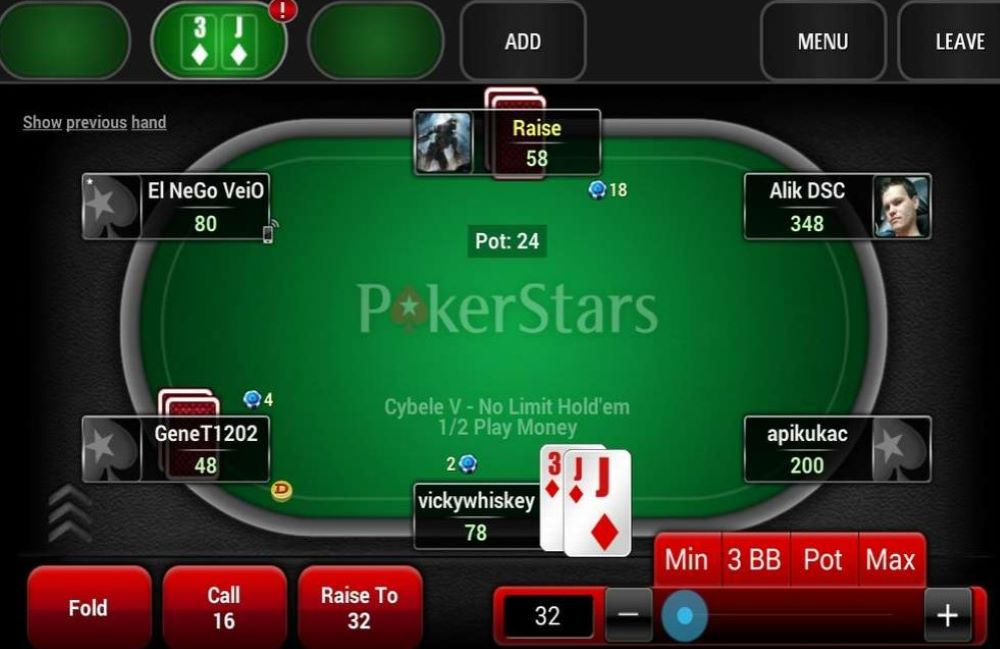
And if you’re still thinking « I’ll wait for a good hand, » ask yourself: when was the last time you saw a good hand come when you weren’t ready?
Questions and Answers:
Is it safe to play poker for real money online?
Playing poker for real money online can be safe if you choose licensed and regulated platforms. Reputable online casinos use encryption technology to protect personal and financial data. Look for sites that are certified by recognized gambling authorities like the UK Gambling Commission or Malta Gaming Authority. These regulators ensure fair gameplay, secure transactions, and responsible gaming practices. Always check user reviews and verify the site’s licensing information before depositing money. Avoid unverified or unknown sites, as they may not handle funds properly or could expose you to fraud.
How do I start playing poker with real money on a casino site?
To begin playing poker with real money, first select a trusted online casino that offers poker games. Create an account by providing basic personal details and verifying your identity through documents like a passport or utility bill. Once your account is confirmed, go to the banking section and deposit funds using a supported method such as a credit card, e-wallet, or bank transfer. After funding your account, navigate to the poker section, choose a game like Texas Hold’em or Omaha, and join a table. Start with lower-stakes games to get comfortable with the platform and gameplay before moving to higher limits.
What types of poker games are available in online casinos?
Online casinos typically offer several poker variants. Texas Hold’em is the most popular, where each player gets two private cards and shares five community cards. Omaha is similar but requires players to use exactly two of their four private cards with three community cards. Seven-Card Stud is another option, where players receive seven cards, with no community cards. Some sites also feature video poker, where you play against a machine using standard poker hand rankings. Tournament-style games and cash games are available in different formats, giving players choices based on their skill level and preferred pace of play.
Can I win real money playing poker online?
Yes, it is possible to win real money playing poker online, but success depends on skill, strategy, and discipline. Winning consistently requires understanding hand rankings, position, betting patterns, and how to read opponents. Many players improve over time by studying game theory, reviewing hands, and practicing in free games. However, not every session results in a profit. Some games have house edges or rake fees that reduce potential winnings. It’s important to set a budget, avoid chasing losses, and treat poker as entertainment rather than a guaranteed income source.
Are online poker winnings taxed?
Tax rules for online poker winnings vary by country. In some places, like the United States, gambling winnings are considered taxable income and must be reported to tax authorities. If you win a significant amount, the casino may issue a tax form, such as a 1099-WIN, which details your earnings. In other countries, such as the UK, winnings from online poker are generally not taxed. It’s best to consult a tax advisor or check official government guidelines to understand your local regulations. Keeping records of your wins and losses can help when filing taxes and may also support claims for deductions if you play regularly.
3FAF3FFA